
 Contact Us!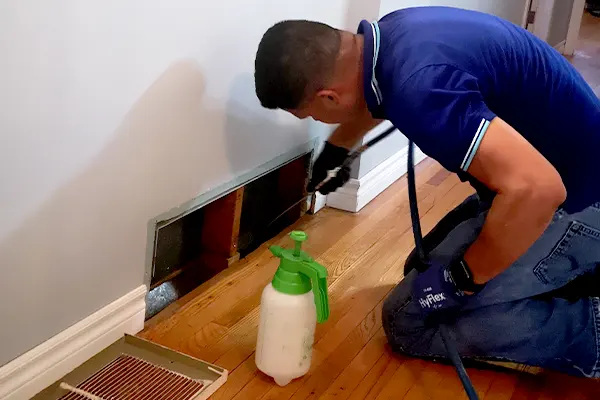
When people think about duct cleaning, they often picture dust explosions and living rooms looking like construction zones. The idea of technicians poking around in ducts and unleashing years of accumulated debris sounds like a nightmare waiting to happen.
But here’s the reality: it doesn’t have to be that way. Modern professional duct cleaning, when done by qualified technicians, leaves homes cleaner than before the crew arrived. Not messier. Actually cleaner. Homeowners who’ve been putting this off because they’re worried about the aftermath might be surprised by what proper service actually looks like.
This guide explains what really happens during professional duct cleaning and why concerns about mess are mostly unfounded when working with reputable companies.
What Happens During Professional Duct Cleaning?
Professional duct cleaning isn’t just technicians with big vacuums and good intentions. There is a real strategy behind keeping things tidy while working.
The whole operation revolves around one key principle: contain everything before it has a chance to escape. Like scientists handling substances in sealed chambers, professional crews use containment systems to ensure debris never enters living spaces.
The Power of Advanced Containment Systems
Professional crews arrive with industrial-grade vacuum systems that make household vacuums look like toys. These machines create what’s called negative pressure inside ductwork.
In practical terms, they’re generating enough suction that air can only flow one direction: into their collection system. When technicians start scraping and brushing away buildup in ducts, loosened particles get pulled straight into sealed containers. They never get a chance to float around the house.
Most companies position this equipment outside or in garages. That way, all the debris goes from ducts to trucks without ever entering living areas. It’s an effective system that prevents contamination of clean spaces.
Protective Measures That Keep Your Home Pristine
Quality technicians don’t just start working on ductwork without preparation. They protect spaces carefully before beginning any work.
Drop cloths go down in every work area. Corner guards protect walls from equipment bumps. Vents not actively being worked on get sealed so dust doesn’t back-flow into other rooms. Many crews wear protective booties over their shoes.
The best companies treat every home with respect. Nobody wants to be the contractor who damages someone’s property. Reputation matters in this business, and word travels fast.
The Step-by-Step Professional Cleaning Process
The process typically starts with technicians walking through the entire home, mapping out every vent and return. Then comes setup—connecting powerful vacuum systems to main trunk lines.
Once everything’s connected and vacuums are running, technicians work through each ductwork section with specialized tools. Rotating brushes, compressed air whips, and other equipment break loose stuck-on grime. The crucial part: vacuums run constantly, pulling everything toward collection units.
The system is designed so airflow always moves away from living spaces. It’s a methodical process where containment is maintained throughout the entire job.
How Modern Equipment Prevents Mess
Not all duct cleaning companies are equal. The equipment they use reveals a lot about how messy or clean jobs will be.
The gap between mediocre companies and great ones often comes down to what’s in their trucks. Budget operations might show up with worn-out equipment that barely functions. Professional outfits invest significantly in gear that actually performs.
Truck-mounted systems generate enough suction to capture every particle. These powerful units can move 5,000 to 17,000 cubic feet of air per minute. That’s enough airflow to ensure comprehensive particle capture throughout the cleaning process.
Quality systems also include HEPA filters that trap 99.97% of particles down to 0.3 microns. For reference, human hair is about 70 microns wide. This means microscopic-level filtration where nothing escapes back into home air systems.
Understanding What Gets Removed From Your Ducts
Everything hiding in ductwork has already been cycling through homes for months or years, depending on when systems were last professionally cleaned. When technicians remove it, they’re eliminating contaminants that have been circulating all along.
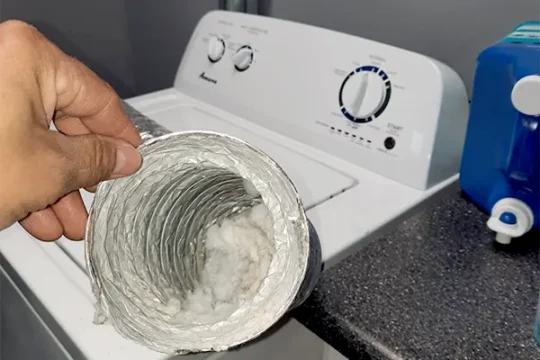
Average home ductwork can hide impressive amounts of debris—large dust accumulations, clumps of pet fur, pollen from multiple seasons, and sometimes even lost items or construction debris from when houses were built. The variety of materials found during cleanings often surprises homeowners.
Some people notice homes feel slightly dusty immediately after cleaning. This is normal and temporary. When HVAC systems kick back on at full power, a few lingering particles might circulate briefly. But this is minimal and settles within hours. Changing air filters afterward resolves any residual dust.
Compare that brief dustiness to years of constantly breathing recycled debris, and the trade-off is clear. Homeowners actually notice less dust on furniture in weeks following proper cleaning because the source has been eliminated.
Red Flags That Signal a Potentially Messy Service
How do you identify companies that might create problems? Several warning signs indicate potential issues.
Companies that don’t bring protective coverings show they’re not serious about protecting property. Equipment that looks outdated or poorly maintained won’t perform properly, which means more mess for homeowners.
Price matters, but dramatically cheaper quotes than competitors raise questions. Those savings come from somewhere—usually from cutting corners on expensive equipment and training that keeps jobs clean.
Certification is important. Companies certified by organizations like NADCA (National Air Duct Cleaners Association) follow specific standards. Companies that can’t show proper credentials or insurance represent risks to property.
Trust instincts too. Crews that seem rushed, unprofessional, or can’t answer basic questions about their process probably shouldn’t be working in your home.
What Your Home Should Look Like After Cleaning
When jobs finish, homes should look better than before crews arrived. Not just the same—actually improved. All protective coverings should be removed without a trace. Vent covers should be reinstalled properly, cleaned, and sitting flush.
Work areas should be swept and tidy. Random debris shouldn’t be scattered around. As a bonus, homes should smell fresher. That musty, stale air smell that might not have been noticed before? Gone.
Many homeowners are surprised by how much cleaner homes feel after professional service. It makes sense—the source of recirculating dust has been removed. Furniture stays cleaner longer. Air feels lighter somehow.
HVAC systems should run smoother too. Better airflow means vents push air more effectively. Areas around furnaces or air handlers should be spotless, with all access panels secured properly.
Quality companies often provide documentation of their work, including before-and-after photos of ductwork. When work is done well, technicians want clients to see results.
Ready to Experience Truly Professional Service?
Nobody wants home disruption in the name of clean air. The reality is they don’t have to accept mess as part of the process. When working with professionals who take pride in their craft and invest in proper equipment, duct cleaning becomes a seamless experience that improves living environments.
If you’re in the Kitchener-Waterloo area or elsewhere in Ontario, professional service doesn’t have to mean chaos in your home. Contact us today to schedule an inspection and see what truly professional duct cleaning looks like—where homes end up cleaner, not messier, and the entire process is smooth from start to finish.