
 Contact Us!
Homeowners often wonder if furnace cleaning is really necessary or just another way companies try to make money. It’s a fair question—there’s plenty of questionable advice out there, and people are right to be skeptical.
Here’s the thing though: regular furnace maintenance genuinely matters, especially in Ontario where heating systems run hard through long winters. Picture this: your furnace dies at 11 PM when it’s -15°C outside. Emergency service just to show up costs hundreds, not counting actual repairs. Often these midnight disasters stem from simple neglect—problems that regular cleaning would’ve caught months earlier.
Understanding what actually happens during professional furnace cleaning helps separate necessary service from unnecessary upsells.
The Core Components Cleaned During Furnace Cleaning
Furnaces have lots of parts that need to work together smoothly. Open up a unit that hasn’t been serviced in a few years and it’s sometimes shocking it’s even running. Dust everywhere, blower fans looking like they’re wearing lint sweaters, burners that have definitely seen better days.
Professional cleaning tackles these problem areas systematically.
Burner Assembly and Heat Exchanger Cleaning
Burners are where everything starts. Gas flows in, ignition happens, blue flames generate heat. But here’s what most people don’t realize—every single burn leaves behind sooty residue. Starts small, but after a year or two? It’s like trying to light a campfire with damp wood.
Cleaning burners properly means pulling them out and scrubbing with wire brushes until they look new again. It’s dirty work—clothes get filthy every time. But when those burners are clean, they burn the way manufacturers intended. Better flame quality, less wasted gas, lower bills.
Heat exchangers are trickier. That’s the metal chamber taking heat from combustion and transferring it to your air. When it’s covered in soot, it can’t transfer heat efficiently. The scary part? Heat exchangers crack sometimes—especially when they’re overworked—and cracked heat exchangers can leak carbon monoxide into your home. That’s why careful inspection matters so much.
Blower Motor and Fan Maintenance
The blower is usually the messiest part of any furnace job.
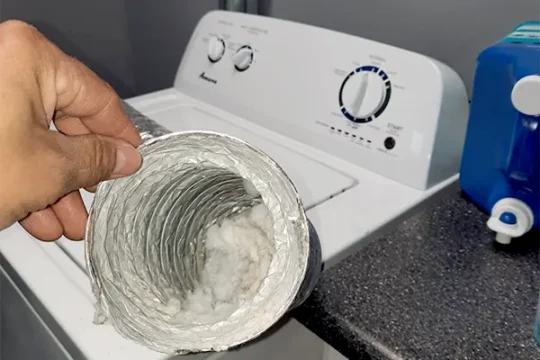
That fan spins thousands of times every day, pulling air through your system. It pulls in everything too—dust, hair, dead skin cells, whatever pets are shedding. After a while, blades look covered in felt. Some blower wheels have half an inch of buildup on every single blade.
When it’s that dirty, furnaces work maybe 40% harder just to push air through vents. That’s money flying out the window with every heating cycle.
Cleaning takes time but isn’t complicated. Pull the whole assembly out, take it outside, go at it with brushes and shop vacs until it’s clean. Compressed air gets the tight spots. Check motor bearings too—if they’re dry, add a few drops of oil. Takes maybe half an hour to do right, but the efficiency difference is huge.
Flame Sensor and Ignition System Service
This little sensor causes more problems than anything else in furnaces. It’s about the size of your pinkie finger, and its only job is confirming the burners actually lit. When it gets dirty, it can’t sense flames properly, so furnaces go into safety mode and shut down.
So many “furnace breakdown” service calls turn out to be just dirty flame sensors. Takes minutes to clean with light sandpaper—problem solved. Could’ve been avoided entirely with regular annual cleaning.
Igniters need attention too. Whether it’s a pilot light on older units or electronic ignition on newer models, these components need to be clean and working perfectly. Otherwise you’re sitting in a cold house wondering why the furnace won’t start.
Safety Inspections That Accompany the Cleaning Process
This is the part that really matters—where cutting corners gets dangerous.
Carbon monoxide is invisible, odorless, and deadly. Every furnace cleaning should include carbon monoxide testing with digital detectors. Check near the furnace, near vents, in living areas. Any reading at all means shut everything down until the problem gets found and fixed.
Flue pipes need checking too—combustion gases have to go outside, not into your house. All electrical connections get examined because loose wires start fires. Gas systems? Every connection gets checked with soapy water to spot leaks.
Furnaces have safety switches that shut things down when something goes wrong. Professional service tests every single one—high-limit switches, rollout switches, pressure switches. These components stand between homeowners and serious problems when malfunctions happen.
Is all this really necessary? Absolutely. Technicians regularly find cracked heat exchangers, gas leaks, and electrical issues that could turn into disasters. These aren’t hypothetical dangers—they’re real hazards that need professional attention.
How Furnace Cleaning Improves Energy Efficiency
Want an easy way to lower your heating bill? Get your furnace cleaned.
Think about homeowners convinced their furnaces need replacing because heating costs doubled over two winters while homes barely stayed warm. Replacement quotes hit $6,000 or more—serious money.
Sometimes the problem is just an extremely dirty furnace. When burners are barely visible through soot and blowers look more suited for dryers than furnaces, systems really struggle. After thorough professional cleaning, these same furnaces often heat homes in half the time with utility bills dropping 30-35%.
They didn’t need new furnaces—they needed proper cleaning.
When everything’s clean, furnaces run as designed. Clean burners achieve complete combustion—you get all the heat from fuel you’re paying for. Clean heat exchangers transfer that heat efficiently. Clean blowers move air without strain. It all adds up to real savings every single month.
The Health Benefits of Professional Furnace Maintenance
Every time furnaces run, they circulate air throughout entire homes. If the inside of that furnace is gross, well, you’re breathing whatever’s in there. Dust, mold spores if there’s moisture, pet dander, all sorts of stuff gets blown into bedrooms and living areas.
After thorough furnace cleaning—especially in homes with pets or those that haven’t had service in years—homeowners almost always notice the same things. House smells fresher. Less sneezing. Better sleep. Families with asthma sufferers particularly notice fewer attacks after professional system cleaning combined with better filters.
Carbon monoxide bears repeating too. Clean furnaces with proper combustion and venting don’t produce dangerous gases. That peace of mind is genuinely priceless—knowing your heating system isn’t creating health hazards for your family.
When to Schedule Your Furnace Cleaning Service
Best time? September or early October, before you’re running heat regularly. That way if something’s wrong, you’re not freezing while waiting for parts.
But don’t stress if you missed that window. Better late than never applies here.
You definitely need to call someone right away if you notice any of this: weird smells when heat kicks on (beyond the normal dusty smell on first seasonal use), strange noises like banging or squealing, yellow or flickering burner flames instead of steady blue, some rooms getting warm while others stay cold, or your furnace cycling on and off constantly.
Got pets? Especially multiple pets or heavy shedders? Consider twice-yearly service. Dog and cat hair absolutely destroys furnace components. It accumulates fast.
Just moved into a new house? Get it cleaned even if previous owners swear they just had it done. That claim turns out to be… not quite accurate more often than you’d think. Or they had someone’s brother-in-law “take a look,” which isn’t the same as professional cleaning.
Keep Your Home Warm and Safe This Season
Here’s the bottom line: furnace cleaning isn’t a scam or upsell. It’s basic maintenance, like oil changes or dental cleanings.
Will your furnace explode if you skip it? Probably not. Will it cost more in energy bills, break down at the worst times, and potentially create health and safety issues? Yeah, pretty likely.
Professional service pays for itself through energy savings within months. Preventing even one emergency repair call or extending your furnace’s life a few years creates value way beyond the service cost.
Annual professional inspections by qualified technicians? That’s just smart homeownership in Ontario winters. Combined with services like air duct cleaning, clean furnaces and duct systems mean your entire HVAC setup works the way it should.
Contact KW Duct Cleaning Services today to schedule your furnace cleaning and make sure your heating system is ready for another Kitchener-Waterloo winter. Professional maintenance protects your investment, your family’s safety, and your budget—all things that actually matter when temperatures drop.